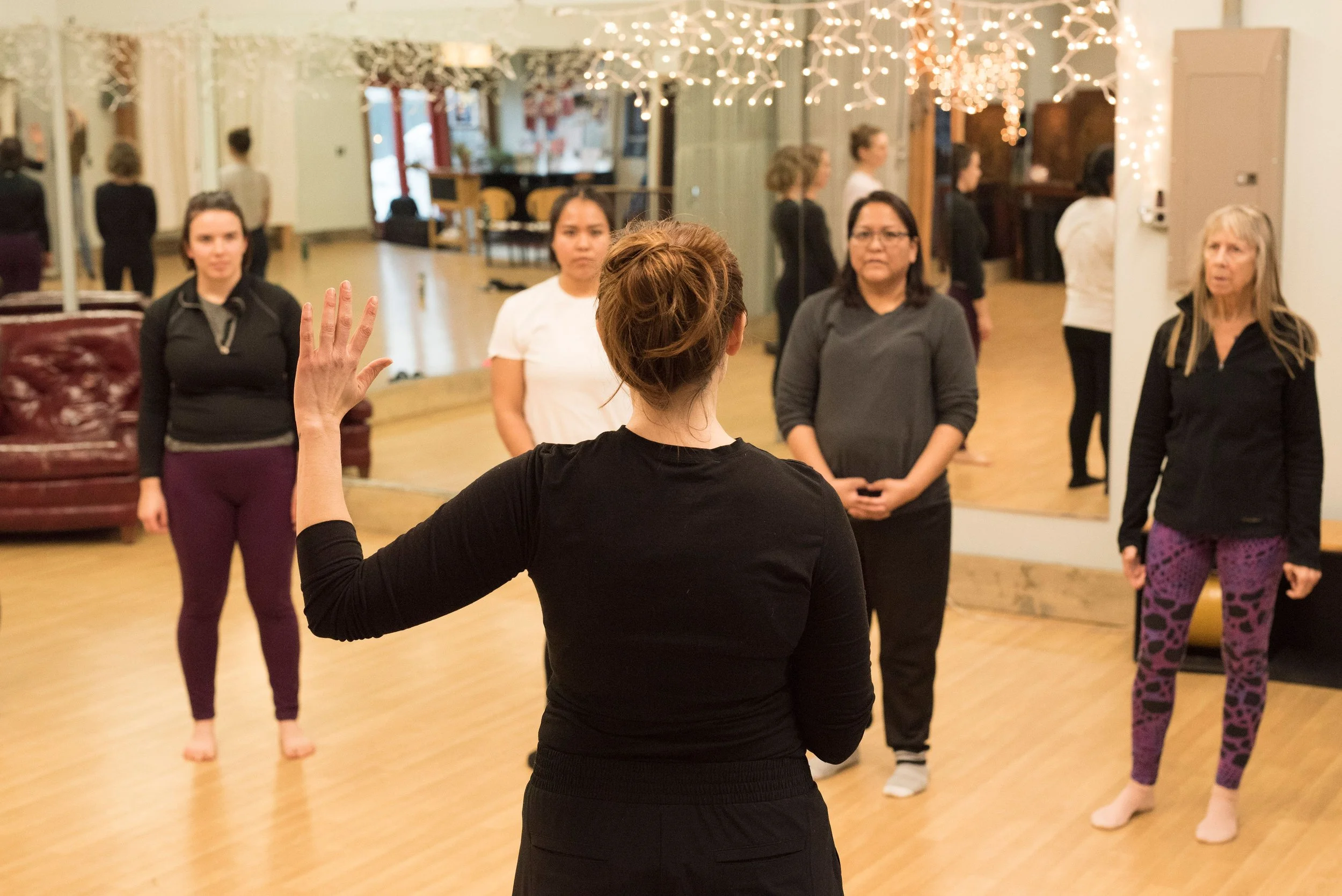
Self-Defense at Wild Inside
Wild Side Self-Defense is a women led approach to self-defense. Classes are trauma informed and seek to provide the skills to address the many types of gender-based violence directed toward women. These include immediate responses to situations of risk including boundary violations, sexual harassment and assault.
There are two approaches to self-defense at Wild Inside.
‘Stranger Danger’ scenario training and ‘Strange Behavior’ scenario training.
When most people think of self-defense, they think of defending themselves in a situation in which the attacker is unknown to them and the attack is sudden and unexpected. This is known as a ‘Stranger danger’ type of attack.
The other type of attack or abuse, ‘Strange behavior’, is perpetrated by someone already known to the victim and constitutes the majority of assaults against women and children.
Knowing which scenario you are training for is step one.
Being prepared for whichever situation concerns you most is always valuable.
Being prepared for both is invaluable.



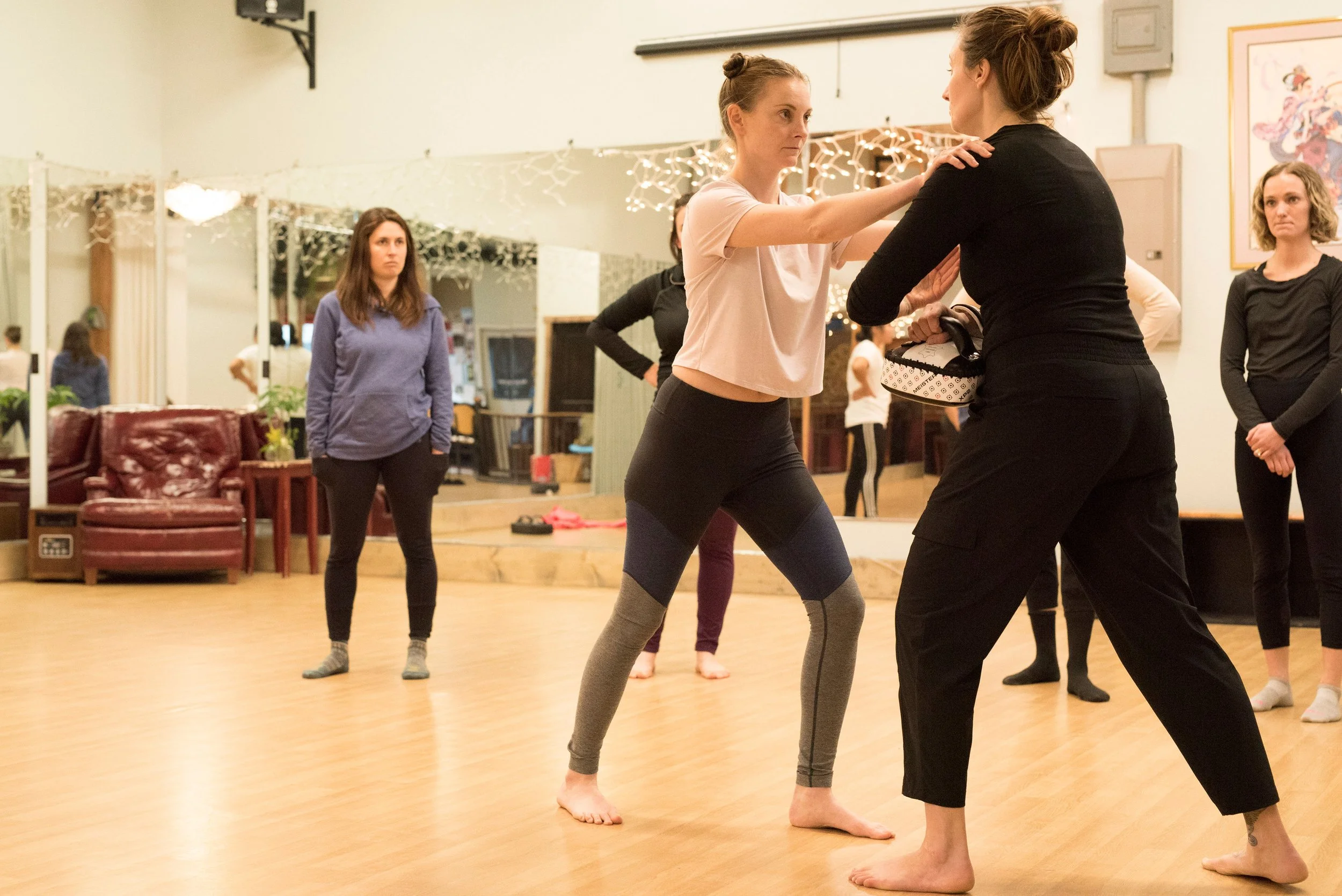

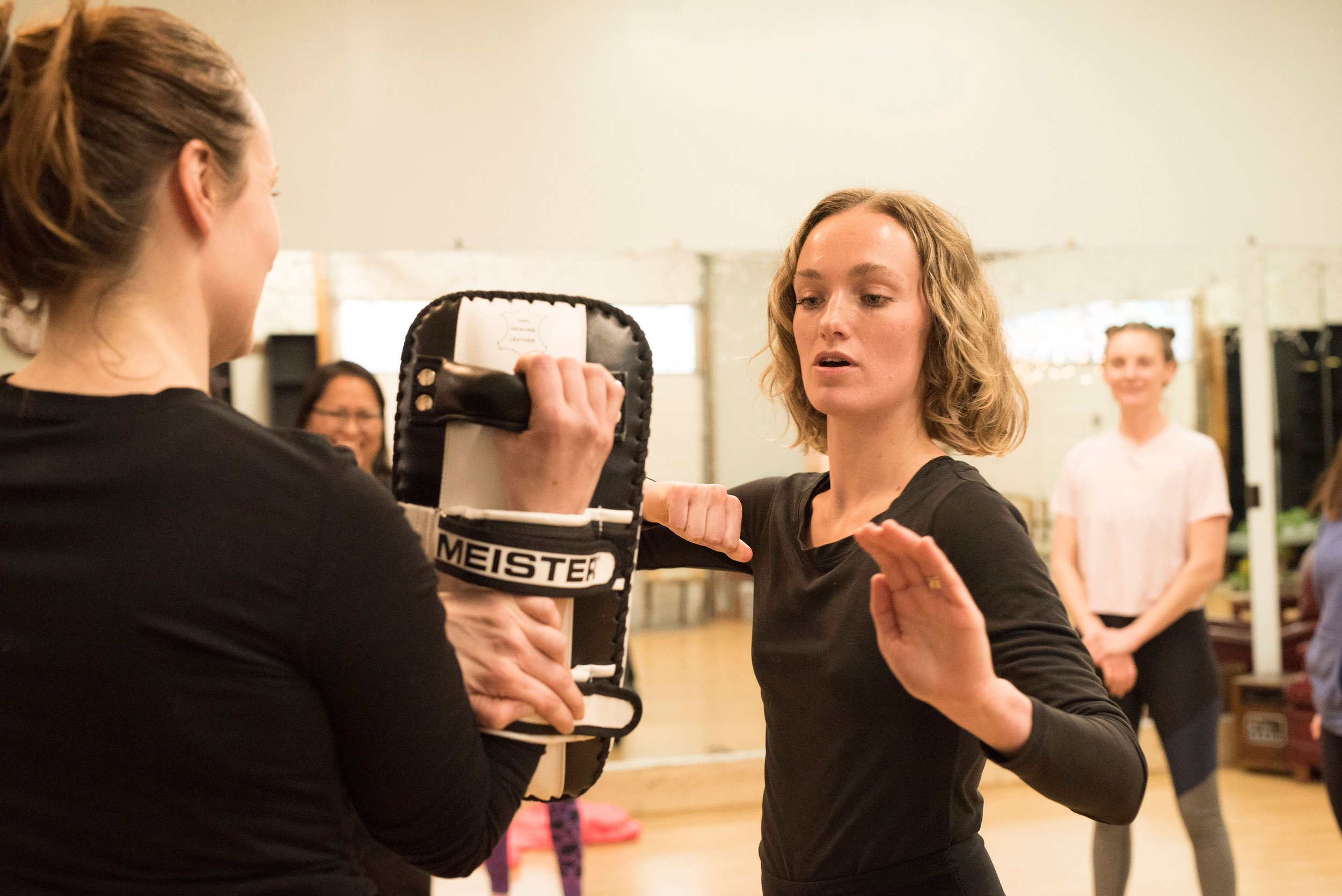
Stranger Danger
‘Stranger Danger’ scenario trainings are short and to the point. A good way to think about it is as a ‘Self-defense first aid class’, you will learn basic, essential, and potentially life-saving skills.
Each 2-hour class covers awareness, boundaries, voice, de-escalation and physical skills. This type of training is built around the reality that most individuals will likely take only one self-defense class in their lifetime. Knowing this, the skills are easy to learn, retain, and access in times of high stress and adrenaline.
Sometimes just knowing your options and having the right tools can make all the difference in keeping you safe. All of the skills taught in the ‘Stranger Danger’ training can be applied to situations of strange behavior.
While stranger danger scenarios are the minority of attacks, they still constitute thousands of assaults per year and merit preparation.
While it is designed to be a one and done class, it is also worthwhile to consider taking a stranger danger training on a yearly or every few years basis. Similar to how one could take a first aid or CPR course on a routine basis to keep the skills fresh and sharp.
Appropriate for ages 12+; younger with parental approval.
Strange Behavior
‘Strange Behavior’ scenario trainings can be longer format (2-4 hours total) and prepare women and children to cope with the particular types of violence they are likely to experience. These include assaults by people they know (including intimate and familial relationships), workplace harassment, bullying, abuse, and assault during everyday encounters.
Contrary to popular belief most assaults against women and children are not perpetrated by a stranger, but by someone the victim already knows. In 8 out of 10 assaults the victim knew their assailant beforehand. When looking at college age women (in which occurs the highest rate of sexual assault) this statistic goes up to 9 out of 10. While this is a startling statistic it makes it clear just how effective clear and firm boundary setting in everyday life can be when it comes to creating a broader experience of overall safety.
Along with physical techniques, which provide an experience of physical power, students are guided to trust in their inner strength, resilience, and intuition in a variety of adverse situations.
Appropriate for ages 4+, especially young children and teens to whom the lessons of consent, bodily autonomy, and boundary setting are essential in fostering overall safety.
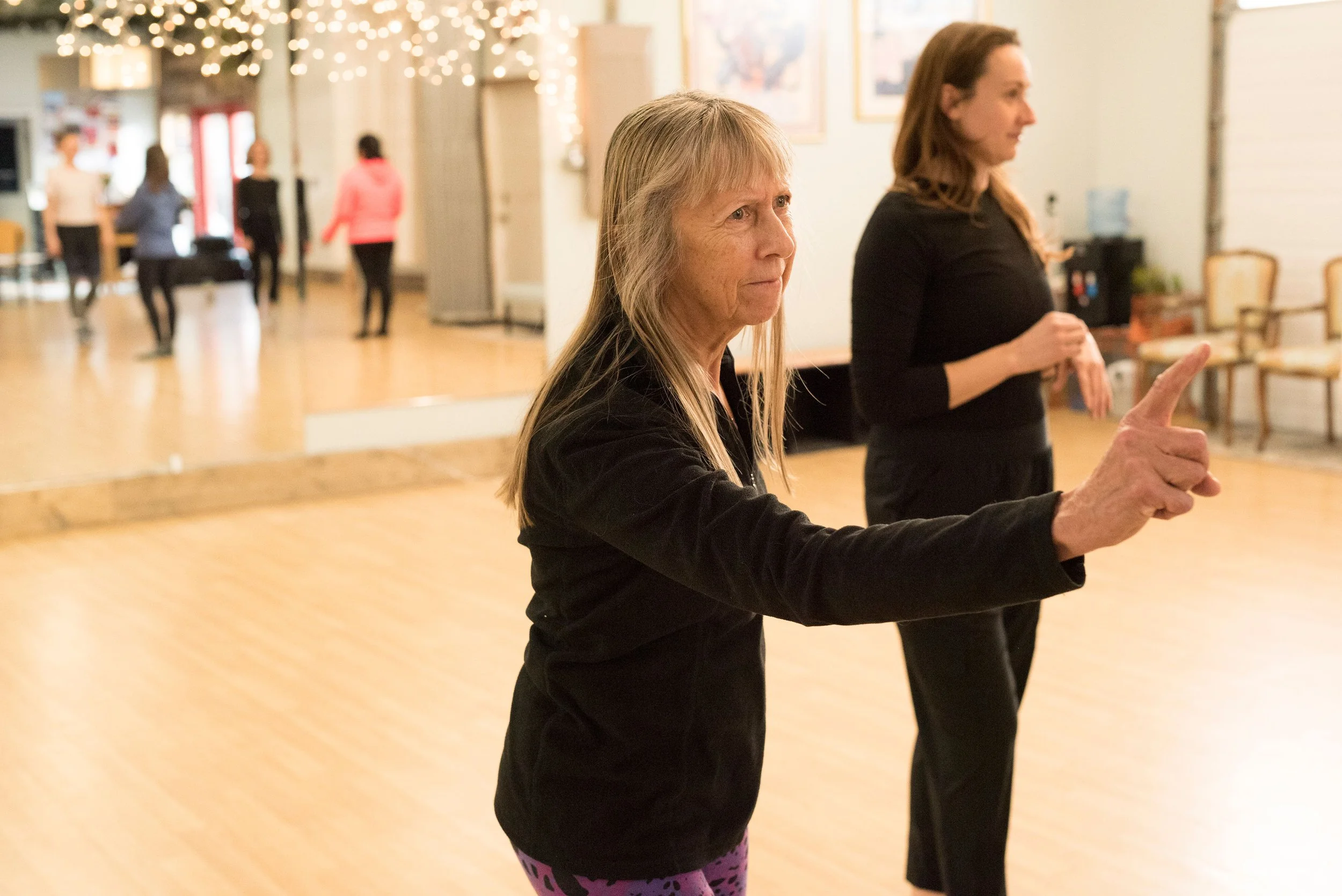
Both types of self-defense training are based on an Empowerment Self-defense model of instruction. They are trauma informed and beginner friendly.